

There's a particular kind of exhaustion that comes from living your life according to other people's expectations. You finish a project and immediately scan the room for reactions. You share an idea and hold your breath, waiting to see if it lands. You create something from your heart, then spend hours second-guessing every choice you made.
If this sounds familiar, you're not alone. The journey from people-pleasing to trusting yourself is one of the most challenging creative passages you'll navigate. But it's also one of the most liberating.
Why We Trade Our Inner Voice for External Validation
Most of us didn't wake up one day and decide to stop trusting ourselves. It happened gradually, through a thousand small moments where seeking approval felt safer than listening to our own knowing.
Maybe you shared something honest as a child and were met with criticism or silence. Perhaps you took a creative risk that didn't land the way you hoped, and the sting of that judgment lingered. Over time, your internal compass got quieter while the voices around you grew louder. External validation became your GPS because your own navigation system felt unreliable.
Here's what makes this pattern so insidious: it actually works, at least temporarily.
When you shape your choices around what others want, you often receive praise, acceptance, and confirmation that you're doing things "right." The problem is that this validation is like junk food for your soul. It satisfies a craving in the moment but leaves you emptier than before, always hungry for the next hit of approval.
The Hidden Cost: How People-Pleasing Suffocates Your Creativity

People-pleasing and creative suppression are intimate partners.
When you're constantly calculating how your work will be received before you've even created it, you can't access the raw, unfiltered expression that makes art meaningful.
Creative work requires vulnerability. It demands that you make choices based on some internal truth rather than external metrics of success.
But when you're in people-pleasing mode, every decision gets filtered through an anxious question: "Will they like this?"
The tragedy is that in trying to please everyone, you end up creating work that feels hollow. It might tick all the boxes, follow all the rules, and earn nodding approval, but it won't have that spark of genuine feeling. Because that spark only comes when you're willing to trust your own instincts, even when they lead you somewhere unexpected or uncomfortable.
Your creative voice gets buried under layers of "shoulds" and strategic choices. You stop asking "What wants to be expressed?" and start asking "What will perform well?" The work becomes a performance of creativity rather than an act of it.
Learning to Distinguish Your Voice from the Chorus
One of the trickiest parts of rebuilding self-trust is learning to identify which thoughts are actually yours. After years of absorbing others' opinions, preferences, and judgments, the voices in your head can sound like a committee meeting where you're not sure who's speaking.
Your inner voice has a different quality than internalized criticism or borrowed beliefs. It tends to be:
Calm rather than frantic. The anxious voice that spirals and catastrophizes usually isn't your true self—it's fear wearing your voice as a disguise. Your authentic inner knowing feels steadier, even when it's guiding you toward something difficult.
Interested rather than judgmental. When you're channeling someone else's standards, the internal dialogue often sounds harsh and evaluative. Your own voice is more curious. It asks "What if?" instead of declaring "You should."
Specific rather than generic. Borrowed wisdom often comes in platitudes and generalizations. Your inner voice speaks in particular details about your actual life, your specific situation, your unique creative impulse.
Persistent rather than reactive. External voices tend to shift based on circumstances and moods. Your inner knowing returns again and again, quietly insistent, even when you try to ignore it.
Start noticing which thoughts feel like they're coming from inside your bones versus which ones feel like they're being shouted at you from somewhere outside yourself.
Practical Exercises to Rebuild Self-Trust
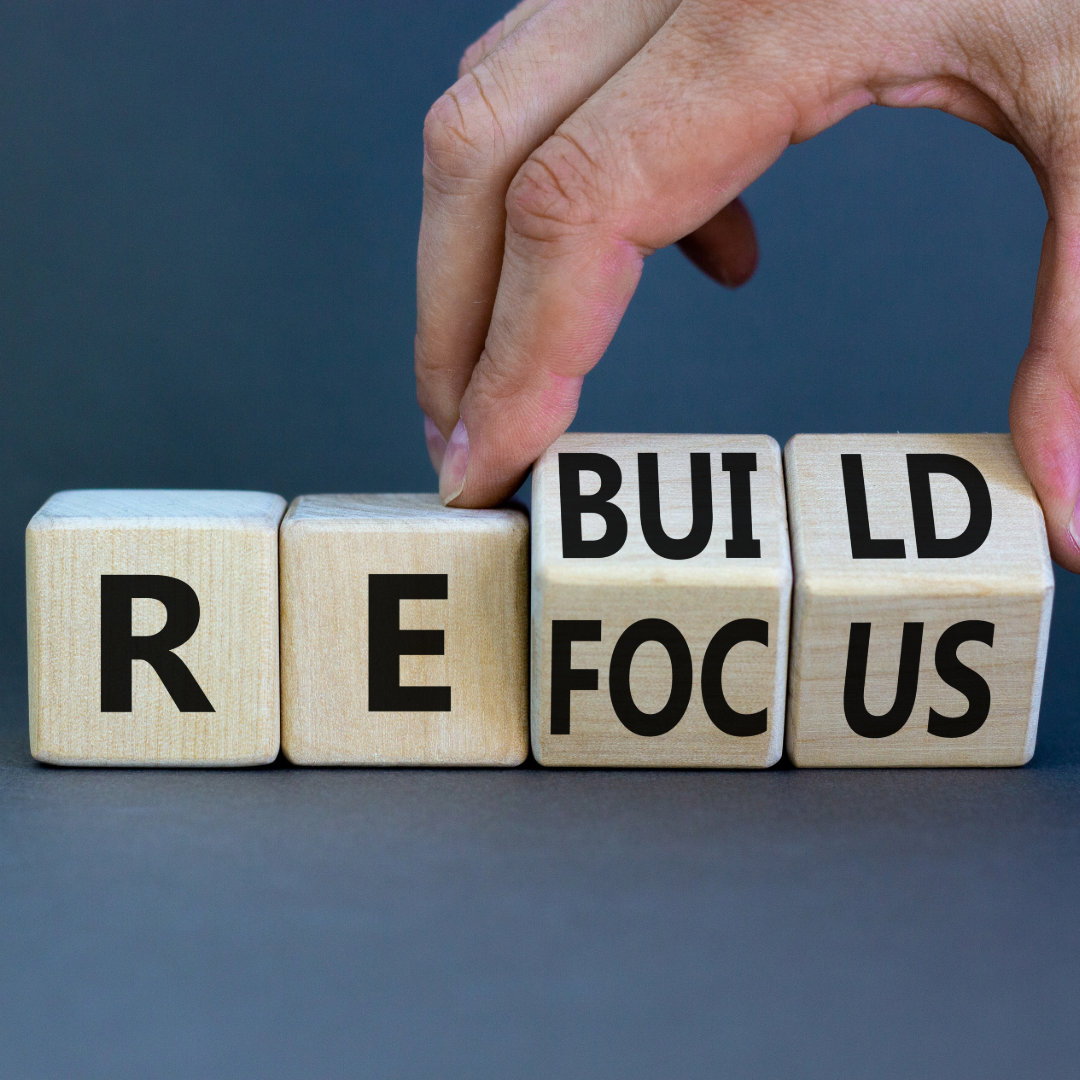
Trusting yourself again isn't about flipping a switch. It's about accumulating evidence, through small repeated actions, that your inner voice is worth listening to.
The Morning Pages Practice
Before you check your phone or let the world in, spend ten minutes writing whatever comes to mind. No editing, no audience, no purpose beyond getting your unfiltered thoughts onto paper.
This creates a direct line to your authentic voice before it gets drowned out by the day's demands.
Make Low-Stakes Decisions Quickly
Throughout your day, practice making small choices based purely on preference without deliberating or seeking input. Which coffee to order. Which route to walk. Which song to play. These tiny acts of self-trust build the muscle you'll need for bigger creative decisions.
The 24-Hour Rule
When you finish a creative project, wait at least 24 hours before sharing it or seeking feedback. Sit with your own response to the work first. Notice what you actually think and feel about it before inviting other voices into the conversation.
Body Wisdom Check-In
Your body often knows your truth before your mind catches up. When facing a decision, pause and notice physical sensations. Does this choice make you feel expansive or contracted? Energized or depleted? Your nervous system is constantly giving you information if you learn to listen.
Create Something Nobody Will See
Make art with the explicit intention that you'll never share it. A journal entry, a drawing, a song, a piece of writing meant only for you. This removes the performance pressure and lets you practice creating from pure inner impulse.
What Creative Confidence Actually Feels Like
If you're waiting for creative confidence to feel like unwavering certainty or bold fearlessness, you might not recognize it when it arrives.
Real creative confidence is quieter than that. It's not the absence of doubt—it's the willingness to move forward despite doubt. It sounds less like "I know this is brilliant" and more like "This feels true to me, and that's enough."
Creative confidence means you can receive feedback without your sense of self collapsing.
You can hear that someone didn't connect with your work and think "interesting" rather than "I'm a failure." You can appreciate praise without becoming dependent on it for your next move.
It feels like coming home to yourself. Like the relief of finally setting down a heavy bag you've been carrying. There's spaciousness where there used to be constant calculation. You make choices more quickly because you're not running them through an imaginary approval committee first.
And here's the paradoxical thing: when you stop creating for external validation, your work often resonates more deeply with others. Because people can sense authenticity. They can feel when something comes from a real place versus when it's been carefully constructed to please.
The Practice of Coming Back
You'll still lose touch with your inner voice sometimes. You'll have moments where you find yourself calculating and performing instead of creating and expressing. This is part of being human, especially in a world that constantly asks you to package yourself for consumption.
The practice isn't about achieving some permanent state of unshakeable self-trust. It's about noticing when you've drifted away from yourself and finding your way back. Each time you do, the path becomes a little more familiar. The return trip gets shorter.
Learning to trust your inner voice again is one of the most radical acts of creative rebellion available to you.
It's choosing your own experience over others' expectations. Your own knowing over borrowed certainty. Your own weird, specific truth over what's acceptable or impressive or likely to succeed.
And that choice, made over and over again, is what transforms you from someone who makes things to please others into an artist who creates because you must—because something inside you demands expression and you've finally learned to listen.
Let me know your thoughts and - if you try any of these suggestions - let me know how it goes. I respond to all comments!