
Confidence Coaching Posts, Artist Development Posts

What ‘Someday’ Really Costs: The Hidden Price of Deferred Dreams

You didn't give up.

Let's start there, because that distinction matters more than you might realize. The dream of writing that novel, learning piano, starting that creative project you've been mentally designing for years—it's still there. You didn't abandon it. You made what felt like a reasonable bargain: not now, but someday.

When the kids are older. When you retire. When work settles down. When there's more time, more space, more certainty.

The problem? "Someday" has its own hidden cost structure, and most of us don't realize we're paying compound interest on deferred dreams until we look up one day and wonder why we feel so restless despite doing everything "right."

The Psychology of Dreams on Hold: They Don't Fade, They Compound

Here's what happens when you put creative dreams on pause: they don't actually go dormant. They don't fade politely into the background while you handle the urgent demands of daily life. Instead, they accumulate.

Think of it like this: every time you have a moment where you think "I wish I was painting again" or "I really should get back to songwriting," that's not just a passing thought. It's a tiny withdrawal from your sense of wholeness. And those small withdrawals add up.

Research in psychology shows that unmet personal aspirations don't simply disappear from our consciousness. They create what's called "psychological incompleteness"—a background hum of unfinished business that subtly drains our energy and sense of self. You might not think about your deferred creative dreams every day, but your psyche knows something important got left behind.

This is why so many capable, accomplished people—people who have built successful careers, raised families, contributed meaningfully to their communities—still report feeling that quiet restlessness. That sense that something essential is missing, even though by all external measures, life is working.

Your creative self is still patiently waiting. And the longer it waits, the louder that inner voice becomes.

The "When Things Settle Down" Trap

"When the kids are older, I'll have time for my music."

"When I retire, I'm going to finally write that book."

"When work isn't so demanding, I'll get back to painting."

These statements sound reasonable. Responsible, even. You're prioritizing what needs to be prioritized. You're being practical.

But here's the uncomfortable truth: things rarely "settle down" in the way we imagine they will.

The kids get older, yes—but then there are aging parents to care for, or grandchildren who need you, or new career opportunities that demand attention. Retirement arrives, but so does decreased energy, or health challenges, or the simple reality that decades of not practicing your creative skills means you're starting from a much more difficult place than you would have been at 35, or 45, or 55.

The trap isn't that life stays busy. It's that we keep moving the goalpost while telling ourselves we're being reasonable. Meanwhile, the part of us that needs creative expression gets quieter and quieter—not because the need disappeared, but because we've gotten very good at not listening to it.

And here's what no one tells you: waiting for the "right time" to pursue creativity later in life often means you're fighting an uphill battle against diminished confidence. The longer you wait, the more that voice saying "who am I to do this?" gets amplified. Your skills feel rustier. The gap between where you are and where you want to be feels wider. The comparison game with people who never stopped feels more brutal.

Starting is always hard. But starting after years of deferral is exponentially harder because now you're not just overcoming practical obstacles—you're overcoming accumulated self-doubt and the weight of all those years of "someday."

What Happens to Your Sense of Self When Dreams Stay Theoretical

There's a particular kind of erosion that happens when your creative dreams remain purely theoretical year after year.

You stop trusting yourself.

Not in obvious ways. You're still competent in your work, reliable in your relationships, capable in all the ways that matter to the outside world. But internally, there's a quiet fracture. A part of you that says "I want this" while another part consistently overrides it with "but not now."

Over time, this pattern teaches you that your own desires aren't priorities. That what you want for yourself can always be postponed for something more important, more urgent, more deserving of your time and energy.

This is how people end up feeling simultaneously successful and somehow untethered from themselves. You've listened outward so consistently—to what your job needs, what your family needs, what makes practical sense—that you've forgotten how to listen inward. You've become very good at being what others need you to be, and somewhere along the way, you lost track of who you are when no one else is watching.

The identity erosion is subtle but significant. You go from "I'm a person who loves to write" to "I'm someone who used to write" to "I'm someone who wishes they had time to write" to, eventually, a vague sense of creative longing that doesn't even have specific shape anymore.

When dreams stay theoretical long enough, they stop feeling like possibilities and start feeling like evidence of your own inadequacy. Why haven't you made time? What's wrong with you that you can't seem to prioritize this thing you supposedly care about?

It's not a personal failing. It's the natural consequence of chronically deprioritizing your creative self while life unfolds around you.

The Five-Year Test: Where Will You Be If Nothing Changes?

Here's an exercise that cuts through all the comfortable stories we tell ourselves about "someday":

Look at where you are right now with your creative dreams. Now imagine it's five years from today, and absolutely nothing has changed. You're still in the same place—still thinking about that project, still wishing you had time, still planning to get started "when things settle down."

How does that feel?

If your honest answer is "devastating" or even just "deeply disappointing," that's information. That's your inner self telling you that the cost of continued deferral is actually higher than you've been admitting.

Five years is both a long time and no time at all. It's long enough to make meaningful progress on almost any creative pursuit if you're actually working on it. It's also short enough that it arrives before you're ready for it, which means five years of continued "someday" will pass faster than you think.

The five-year test isn't meant to create panic. It's meant to create honesty. Because here's what else is true: if you keep doing what you're doing now, you'll keep getting what you're getting now. That quiet restlessness? That sense that something essential got left behind? That won't magically resolve on its own.

This isn't about blowing up your life. It's not about quitting your job to pursue art full-time or neglecting your responsibilities to chase a dream. It's about being brutally honest with yourself about the cost of continued postponement.

Because the real question isn't "Can I afford to pursue this now?" The real question is "Can I afford not to?"

From "Someday" to "A Realistic Plan"
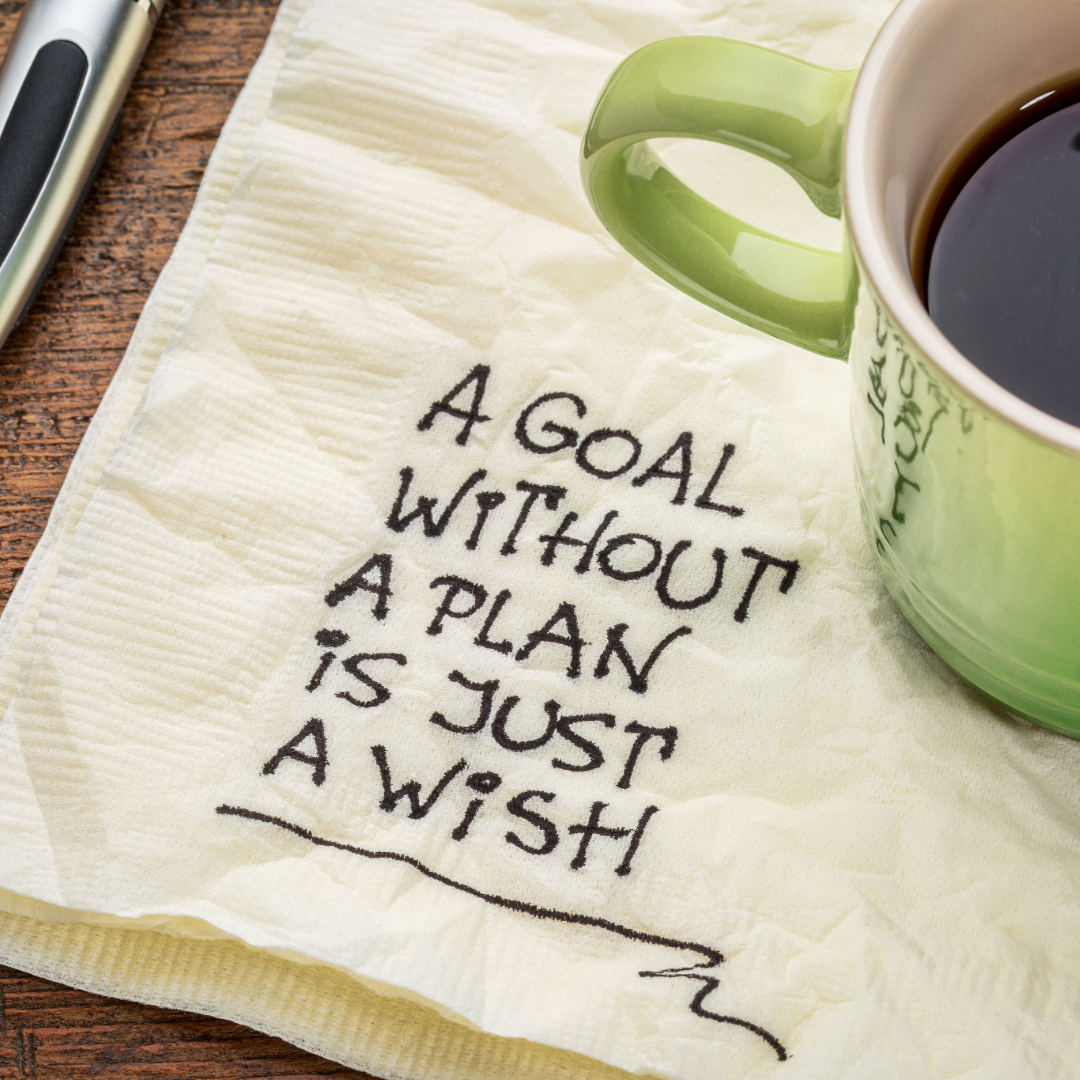
The good news—and yes, there is good news—is that moving from perpetual deferral to actual forward motion doesn't require a dramatic life overhaul. It requires something much simpler: taking your creative self seriously.

Not "taking it seriously" in the sense of expecting immediate professional outcomes or measurable success. Taking it seriously in the sense of acknowledging that this part of you deserves real attention, not just the leftover scraps of time and energy after everything else is handled.

Here's what that actually looks like:

Start with clarity, not commitment. Before you can create a realistic plan, you need to get honest about what you actually want. Not what sounds impressive or what you think you should want, but what genuinely calls to you. This requires carving out space to reconnect with that inner voice you've gotten so good at tuning out.

Address the inner obstacles first. All the time management strategies in the world won't help if you're fighting against deep-seated beliefs about who gets to be creative, whether it's "too late" for you, or whether you're good enough to even try. The practical roadblocks are real, but the internal ones are often more significant.

Design around your actual life, not your fantasy life. A realistic plan acknowledges your real constraints while still making meaningful space for creative work. It doesn't require finding 20 hours a week you don't have. It requires being strategic about the time you do have and protecting it fiercely.

Build in support and accountability. One of the biggest reasons deferred dreams stay deferred is isolation. When you're trying to honor your creative self in the margins of a busy life, you need structure, support, and someone who takes your vision as seriously as you're learning to take it yourself.

Accept that imperfect action beats perfect planning. You don't need to have it all figured out. You don't need ideal conditions. You need to start, even if it's messy, even if you're not ready, even if you're scared. Because "someday" thinking is comfortable precisely because it allows you to keep planning without ever risking actual vulnerability.

The shift from "someday" to "now" doesn't happen because circumstances finally align perfectly. It happens because you decide that the cost of continued deferral is finally higher than the discomfort of beginning.

The Creative Self You've Been Keeping on Hold

Here's what I've learned from working with creative people who are reclaiming dreams they set aside: the wanting doesn't go away. The need for creative expression doesn't fade just because you've gotten good at ignoring it.

What does fade is your confidence that you're allowed to want it. Your belief that you're capable of it. Your sense that it's not too late.

But here's the truth that needs saying: it's not too late. It will never be too late as long as you're still here, still feeling that restlessness, still wondering what might be possible if you finally took yourself seriously.

The question isn't whether you gave up your creative dreams. You didn't. They're still there, patiently waiting.

The question is: how much longer are you willing to make them wait?

Because "someday" has a cost. And every day you choose "not yet" is a day you're paying it. 

If you're tired of deferring your creative dreams and ready to move from "someday" to a realistic plan, I take on a limited number of new clients each month who are ready to take their creative selves seriously. Learn more about Creative Development Coaching or schedule an introductory session to explore what becomes possible when you stop postponing and start building.


Read More
Artist Development Posts, Confidence Coaching Posts

High-Functioning Discontent: When Your Life Works But Doesn’t Feel Alive

From the outside, your life works.

You’re responsible. Capable. You’ve built something solid—relationships, a career, a reputation for being reliable. You handle things. People count on you. And yet…

Something feels flat.

Not bad. Not broken. Just strangely quiet inside.

This is what I call high-functioning discontent—that specific kind of restlessness that shows up when your life technically checks all the boxes, but doesn’t light you up anymore (Side Note: If that discontent involves an unanswered call to creativity, check out my free download, 5 Signs You're Ready to Make Creativity a Bigger Part of Your Life).

Success Isn’t the Same as Fulfillment.

Many of us were taught that success is the finish line. 

Stability. Approval. Doing the “right” things in the right order. And those things matter. They take effort. They deserve respect.

But fulfillment is different.

Fulfillment has energy. Aliveness. A sense of I’m here, and this matters to me.

You can be successful and still feel unfulfilled. You can have a life that works and still feel like something essential has been turned down to a whisper.

That disconnect often leaves people confused—or guilty. “I should be happy,” they think. Which leads to the feeling being pushed aside instead of explored.

Creative Restlessness Is Not a Flaw.

One of the most common sources of this quiet dissatisfaction is creative suppression.

Creativity isn’t just painting or singing or writing novels. It’s expression. Curiosity. Play. Risk. Growth. It’s the part of you that wants to make, explore, question, and evolve.

When that part gets sidelined for years—by responsibility, caretaking, practicality—it doesn’t disappear. It turns into restlessness. Irritability. A sense that life feels flat even when nothing is “wrong.”

This is creative restlessness, and it often shows up as:

  • Feeling bored but busy
  • Feeling capable but uninspired
  • Feeling grateful, yet oddly numb

Why This Hits Harder in Midlife (Especially for Women).

Midlife is when the noise quiets just enough for the deeper questions to get loud.

The kids may be more independent. The career is established. You finally have a little breathing room—and suddenly, the internal voice you’ve been ignoring says, “Is this really it?”

For many women, midlife creativity resurfaces with urgency. Not because something is wrong—but because something is ready.

You’ve spent decades showing up for everyone else. Midlife often asks: What about you?

Gratitude vs. Settling

This is an important distinction.

Gratitude says: I appreciate what I’ve built.
Settling says: This should be enough, so stop wanting more.

You can honor your life and want it to feel more alive. Those two things are not opposites.

Wanting more expression, joy, or meaning does not invalidate your gratitude. It simply means you’re listening to yourself again. And getting yourself to a place where you can listen to yourself again is something to have gratitude for!

Honoring What You’ve Built—Without Abandoning Yourself

High-functioning discontent isn’t a sign to blow up your life. It’s an invitation to re-enter it more fully.

You don’t have to start over.
You don’t have to justify your desire.

You just have to get curious. Ask yourself questions like...

What part of you has been waiting patiently?
What lights you up that you’ve been calling impractical?
What would it feel like to let that part have a voice again?

A life can work beautifully—and still want more color, texture, and truth. If you’ve been feeling unfulfilled, restless, or quietly disconnected, it doesn't mean you’re ungrateful or broken.

It means you’re waking up.

Read More
Artist Development Posts, Confidence Coaching Posts

The Part of You That’s Been Waiting: What Happens When Creative Identity Goes Dormant

There’s a quiet grief that many adults carry but rarely name. It’s not about a single loss—it’s about a part of themselves that slowly faded into the background when they weren't looking.

If you once identified as a singer, writer, artist, dreamer, performer, or creator of any kind, and now that identity feels distant, you haven’t lost it. What you’re experiencing is something far more common—and far more reversible.

Your creative identity didn’t disappear. It went dormant.

Why Creative Identity Doesn’t Disappear—It Just Gets Quiet.

Creative identity is not a hobby you outgrow. It’s an orientation toward life: curiosity, expression, imagination, meaning-making. When circumstances change—careers, caregiving, financial pressure, social expectations—that orientation often gets deprioritized.

The problem isn’t lack of talent or passion. It’s bandwidth.

Creativity requires space, safety, and permission. When life becomes about stability, responsibility, or survival, the creative self often steps back—not because it’s weak, but because it’s wise. It waits until conditions feel safer.

This is why so many people say things like:

  • “I just don’t feel creative anymore.”
  • “That part of me disappeared.”
  • “I don’t even know who I’d be if I tried again.”

But creativity doesn’t evaporate. It goes quiet, conserving energy, waiting for an invitation.

The Difference Between “Giving Up” and “Going Dormant.”

Giving up is an active choice: a conscious decision to abandon something.

Dormancy is different. Dormancy is adaptive.

When your creative identity goes dormant, it’s often because:

  • You were told it wasn’t practical
  • You didn’t see a clear path forward
  • You outgrew old dreams but didn’t yet have new ones
  • You needed to focus on being dependable rather than expressive

Dormancy isn’t failure. It’s a pause.

I learned this first hand when I was younger.

In my twenties, I flailed. I had intense performance anxiety, very little self-belief, and a constant sense that I was a fraud—even with a music degree. The pressure I put on myself to be "good enough" became so heavy that by the time I was 29, I walked away from music entirely. I took odd jobs, worked for a clay artist, and focused on getting by.

What I didn’t realize at the time was that I wasn’t abandoning my creative identity—I was escaping the expectations wrapped around it.

Over the next year and a half, as I slowly shed other people’s rules for who I should be and how my life should look, something surprising happened. My love for music resurfaced on its own. Without pressure. Without a plan.

When I returned to music, I did it differently. I followed my own rules. I supported myself with side work, gigged with bands, recorded my own songs, and even traveled hours each week for a single voice lesson because it mattered to me. No one was watching. No one was judging.

By my mid-thirties, I had become the singer I once believed I could never be—because I stopped waiting for permission and simply followed my joy.

That’s dormancy. Not quitting. Waiting for conditions that allow truth to breathe.


What Happens Psychologically When We Suppress Creative Needs.

Creativity isn’t optional fluff—it’s a psychological need. When it’s consistently suppressed, people often experience subtle but persistent symptoms:

  • A sense of dullness or emotional flatness
  • Chronic restlessness or irritability
  • Envy toward people who are visibly expressive
  • Overthinking, perfectionism, or self-doubt
  • Feeling like life is functional but muted

This isn’t coincidence.

Creative expression helps us process emotion, access intuition, and feel agency. When that channel is blocked, the energy doesn’t disappear—it reroutes. Often into anxiety, rumination, or low-grade dissatisfaction.

Many people assume this discomfort means something is wrong with them. More often, it means something essential has been waiting too long.

How to Recognize the Signs Your Creative Self Is Ready to Re-Emerge.

(If you haven't checked out my free download, "5 Signs You're Ready to Make Creativity a Bigger Part of Your Life" and you'd like to, go HERE.)

Dormant creativity doesn’t stay silent forever. It sends signals. You might notice:

  • A renewed pull toward music, writing, art, or performance
  • Nostalgia for who you used to be—or who you almost became
  • A craving for depth, meaning, or aliveness
  • A sense that your current life no longer fits as well
  • Resistance paired with longing ("I want this, but I’m scared")

These aren’t midlife crises or impulsive whims. They’re invitations.

Your creative self doesn’t come back demanding a complete life overhaul. It usually asks something much smaller: attention, curiosity, honesty.

That's how it happened for me.

First, I just felt like going to my keyboard and I ended up writing a new song. Shortly after, I decided to find friends to play music with, just for fun. Then I started taking weekly drives to this great vocal coach I found, which led to finding my voice, which led to a certification course in teaching that technique, which led to becoming a vocal coach.

I had no idea where my longing would lead, but each step led to another, until I was on a course that felt aligned and fulfilling.

Why “Later” So Often Becomes “Never.” 

Most people don’t abandon creativity because they don’t care. They abandon it because they keep postponing it. “Later” feels responsible. Sensible. Mature.

But later has a habit of receding. Responsibilities expand. Energy gets rationed. The window quietly narrows.

This isn’t about regret or blame. It’s about understanding that creative identity needs some form of expression now—even if it’s imperfect, private, or small. Waiting for the perfect time often means waiting indefinitely.

Reconnecting with creativity doesn’t require quitting your job, blowing up your life, or becoming someone else.

It starts with listening to your heart.

Reconnecting With the Part of You That’s Been Waiting.

Creative self-discovery isn’t about reclaiming an old version of yourself. It’s about meeting who you are now, with everything you’ve learned, endured, and become.

Your creativity didn’t disappear. It adapted.

And if you’re feeling the pull, the restlessness, or the quiet ache—it’s not because you’re behind. It’s because a part of you is ready to come back online.

You don’t need to rush. You just need to stop pretending that part of you isn’t still there. Pick up a pen, a paintbrush, a guitar, or seek out help (or check out my free download, 5 Signs You're Ready to Make Creativity a Bigger Part of Your Life) TODAY and allow your creative heart a playdate. Then, if you want, let me know how it went. 🙂

Read More
Artist Development Posts, Confidence Coaching Posts

The Confidence Crossover: How Singing Can Transform the Rest of Your Life

When most people think about learning to sing, they picture music lessons, vocal warmups, and maybe the thrill of performing a song they love. What they don’t usually imagine is that their new voice skills might spill into every other part of their life—helping them speak up in meetings, try that pottery class they’ve been eyeing, or walk into a room like they own it.

That’s the magic of what I call The Confidence Crossover—the way vocal growth has this sneaky habit of transforming you just as much as your voice.

Singing Isn’t Just About the Notes.

If singing were only about hitting high notes, I probably wouldn’t have dedicated my life to coaching it. The real treasure lies in what happens along the way. Singing asks you to do things most of us avoid: take up space, be heard, and express real emotion in front of other people.

And when you face those fears—especially if you’ve spent years telling yourself “I can’t sing”—you create a ripple effect. You’re not just learning a song; you’re teaching your nervous system a brand-new story: I can do things I thought were impossible.

That’s a game-changer.

Why “Impossible” Matters So Much.

Every time you tell yourself something is impossible—whether it’s singing in tune, giving a presentation, or wearing bright red lipstick—you lock yourself into a smaller version of your life.

So when you prove yourself wrong in one area, the mental cage door swings open. Suddenly, you start wondering:

  • If I can sing that note, maybe I can speak up in that work meeting.
  • If I can sing in front of strangers, maybe I can join that book club where I don’t know anyone.
  • If I can get through the nerves of a performance, maybe I can finally try that dance class I’ve been secretly wanting.

That “impossible” thing you just did? It becomes your confidence passport, granting you access to opportunities you never let yourself consider before.

The Life Skills Hiding in Voice Work.

When you train your voice, you’re secretly training a lot more than your voice. Here’s what often sneaks in under the radar:

  • Body Awareness – Singing well requires you to notice your posture, breathing, and how tension shows up in your body. This awareness follows you into daily life—you catch yourself standing taller, breathing more deeply, and moving with more intention.
  • Emotional Courage – A song without emotion is just notes. To sing in a way that moves people, you have to let them see you. That skill—showing up as your full self—is priceless in friendships, relationships, and work.

  • Presence – Whether you’re singing on stage or in a living room, people feel your presence when you’re confident in your voice. That same grounded presence makes you magnetic in a job interview, on a date, or when you walk into a networking event.
  • Self-Trust – Hitting a note you once cracked on, or performing a song without freezing, is physical proof that your hard work pays off. You start trusting yourself to deliver, even when the stakes feel high.


Real-Life Crossover Moments.

I’ve seen it happen countless times:

  • A client who used to speak so softly at work suddenly leads a team meeting with confidence.
  • A woman who wouldn’t dance in public now owns the dance floor at weddings—because singing helped her stop worrying about looking silly.
  • A social worker who thought she “didn’t have a musical bone” ends up auditioning for a band…and gets the gig.

Every single one of them started with the same thought: This is impossible for me.


The Secret Ingredient: Joy.

The Confidence Crossover works so powerfully because singing isn’t just a skill—it’s joyful.

Unlike forcing yourself into something you dread “for the sake of growth,” singing taps into something playful, expressive, and human. That joy makes the process less about grim determination and more about celebrating every win, no matter how small.

And when you’re enjoying the journey, you’re more likely to take risks, keep practicing, and carry that positive energy into other parts of your life.

Inspiring Others Without Even Trying.

Here’s the bonus you might not expect: when you accomplish something you once thought was impossible, people notice. You inspire friends, family, and even strangers—not because you’re trying to, but because they see living proof that change is possible.

When someone sees you transform from “I can’t” to “Watch me,” it challenges their inner limits. Your courage becomes contagious.

Your Voice Is Just the Beginning.

Learning to sing might seem like a small, personal goal. But it can be the key that unlocks an entirely new way of living. The same voice you use to sing is the voice you use to speak up, to advocate for yourself, to tell your story, and to make connections.

So if you’ve been quietly wishing you could sing but telling yourself it’s too late, too scary, or too silly—remember this: your voice might just be the bridge to a bolder, happier, more confident you.

Because once you’ve done the impossible in one area, you start to realize…there might be no such thing as impossible after all.

Read More
Confidence Coaching Posts

Build Self-Worth in Five Steps (One Fun Week at a Time)

Self-worth isn’t something you magically wake up with one day (wouldn’t that be nice?).

It’s built over time, like a really great playlist or the ability to say “no” to an obviously terrible decision (looking at you, neon-green margaritas). The key is to take small, doable actions that slowly rewire your brain from self-doubt to self-celebration.

So, instead of some quick-fix tips, this time, let’s go step by step, with suggestions for change one week at a time. Ready?

Week One: Break Up With Negative Self-Talk

You know that voice in your head that’s always critiquing you like a bad reality show judge? It’s time to evict it. 

But first, you have to become aware of when that voice pops up. You see, there is a good chance that your negative self-talk is so habitualized that you don't always know you're doing it. So..

...this week, your job is to notice every time you say something unkind to yourself.

Action: Every time you catch yourself in a self-critical thought (e.g., “Ugh, I’m so awkward”), immediately follow it up with a counterpoint. Something like, “Actually, I’m unique and charming, and I appreciate myself.” Write these down in a notes app or a journal. The goal? By the end of the week, you’ll start recognizing that most of those mean thoughts are wildly untrue. You may even begin to laugh at them.

Negative inner dialogue is often part of the self-perpetuating lack of confidence you feel - you feel unsure of yourself, making you act unsure of yourself, making you decide your actions are proof that you should feel unsure of yourself. See? That's just plain mean. 

Bonus Challenge: Give your inner critic a ridiculous name (Bartholomew? Esmerelda?) and literally tell them to hush when they start yapping.

Week Two: Treat Yourself Like a VIP

If you wouldn’t let your best friend talk badly about themselves, why are you doing it to yourself?

This week, practice treating yourself with the same kindness you’d show a loved one.

If it helps, imagine yourself as your own little sister or child. Would you treat your sister or child the way you treat yourself when you're feeling negative? Of course not! 

Action: Pick one way each day to show yourself love. Maybe that’s taking a long bath, dressing in something that makes you feel amazing, or saying no to something you don’t want to do (because boundaries = self-respect). Show yourself the grace, patience, and support that'd you'd give to anyone else you love. You may stumble in this goal, but as soon as you catch yourself say, "I deserve better," and then give it to yourself. 

Bonus Challenge: Write a love letter to yourself, listing five things you genuinely appreciate about YOU. Read it every morning.

Week Three: Upgrade Your Inner Circle

Spoiler alert: 

If you surround yourself with people who drain your energy or constantly make you feel “less than,” your self-worth will take a hit. 

This week is all about doing a friend-and-influence audit.

Action: Pay attention to how people make you feel. If someone consistently makes you doubt yourself, take a step back. Spend more time with people who uplift and encourage you. If you don’t have many of those, make it a mission to find them. (Hint: Join a class, a club, or an online group with like-minded people.)

Bonus Challenge: If you’re feeling brave, set a boundary with someone who’s been making you feel small. It can be as simple as limiting your time around them.

Week Four: Own Your Wins (Big & Small)

We often wait for others to acknowledge us, or we assume that if they don't, it must say something bad about us. This puts your self-worth in the hands of others. But self-worth is yours to take!

You accomplish awesome things every day, but if you’re not recognizing them, you’re missing out on a key confidence-building tool.

This week, you're going to own your wins and great traits!

Action: Start a “Win Journal.” Every night, write down at least one thing you did well that day. It can be as small as “I made a really good cup of coffee” or as big as “I asked for a raise.” By the end of the week, you’ll have proof that you are, in fact, a rockstar.

Bonus Challenge: Share one of your wins with a friend, out loud. Practicing self-recognition in front of others builds confidence faster.

Week Five: Do One Brave Thing

Self-worth grows when you step outside your comfort zone and prove to yourself that you can handle more than you think.

Taking chances can be scary but the effects are priceless as far as confidence goes!

This week, you’re going to do one thing that scares you (but in a fun way).

Action: Pick a challenge that stretches you a little. Maybe it’s speaking up in a meeting, going to an event alone, or finally trying that dance class. Whatever it is, remind yourself: Confidence isn’t about not being scared—it’s about doing the thing anyway.

Bonus Challenge: Celebrate it. Post about it, tell a friend, or throw yourself a mini dance party. The more you acknowledge your courage, the more it grows.

The Outcome

By the end of these five weeks, you won’t just feel a little better about yourself—you’ll have built actual habits that reinforce your self-worth every day. Keep stacking these confidence-building actions, and soon enough, you’ll see yourself the way you truly deserve to be seen: as someone worthy of all the good things.

Now go be your amazing, unstoppable self. And maybe treat yourself to a cupcake—you’ve earned it. 🎉

Read More
Confidence Coaching Posts

5 Reasons You Should Take More Risks

Taking risks might feel as thrilling as standing at the edge of a bungee-jumping platform—minus the actual safety harness. But here’s the thing: risk-taking is a muscle, and flexing it can lead to incredible transformations. If you’ve been playing it safe, it’s time to swap your comfort zone for a little adventure. Here are five compelling (and maybe even fun) reasons to embrace risk in your life:

1. Unlock Greater Opportunities:

You know that old saying, "Nothing ventured, nothing gained"? It’s true. Opportunities don’t usually knock politely on the door—they’re hiding behind risks. Whether it’s applying for a dream job, starting a business, or speaking up in a meeting, risk-taking opens doors to experiences and connections you didn’t even know existed.

By stepping into uncertainty, you create the possibility for life-changing events. Remember, most of the magic happens outside your comfort zone. Sure, it’s cozy there, but staying put means missing out on the thrilling adventure of discovering what’s out there. Think of risk as the golden ticket to opportunities—and who doesn’t want to be the star of their own Wonka factory tour?

2. Build Resilience and Adaptability:

Taking risks is like sending your inner superhero to boot camp. Whether your bold move turns out to be a smashing success or a "whoops, never doing that again" moment, you’ll come out stronger. Each risk you take teaches you how to navigate the unknown, making you more resilient and adaptable.

Picture this: You pitch a wild idea at work. Maybe it’s embraced, and you’re celebrated as a genius. Or maybe it’s shot down, but you learn how to refine your ideas and bounce back. Either way, you’re leveling up. Over time, the "what ifs" stop feeling so scary because you’ve proven you can handle them, whether the outcome is a win or a lesson.

3. Overcome Limiting Beliefs:

Women are no strangers to the whispers of self-doubt or the nagging voice of societal expectations. But here’s the plot twist: taking risks silences those voices. Every time you step outside the lines of "should" and into the bold world of "could," you dismantle limiting beliefs.

Have you ever told yourself, “I’m not ready” or “That’s just not me”? Taking risks challenges those assumptions. The best part? Each leap chips away at the walls you didn’t even know were there. You might just surprise yourself with what you’re capable of—and how much you love proving yourself (and the naysayers) wrong.

4. Foster Personal Growth and Empowerment:

Risk-taking is the espresso shot for personal growth. It pushes your boundaries, fosters self-awareness, and brings out the version of you who’s ready to conquer the world. Think of each risk as a stepping stone to your most empowered self. It’s not about perfection; it’s about progress.

Every time you take a chance, you’re giving yourself permission to grow. Did you mess up? Great—that’s a chance to learn. Did you succeed? Amazing—that’s proof of what you can do. Either way, you’re building a sense of agency that no one can take away. Soon enough, you’ll be cheering yourself on like your own personal hype squad.

5. Inspire Others:

Your boldness isn’t just about you—it’s contagious. When you take risks, you’re setting an example for your peers, kids, and community. Every time you choose courage over comfort, you’re sending a powerful message: it’s okay to try, to fail, and to try again.

Imagine a friend sees you launch a project, chase a passion, or pivot careers. They think, “If she can do it, maybe I can too.” Your actions create ripples of inspiration. Whether or not you realize it, your risk-taking is planting seeds of bravery in others. That’s legacy-level impact.

Embrace the Thrill

Risk-taking isn’t about recklessness; it’s about calculated leaps toward a richer, fuller life. Sure, not every risk will pay off, but every risk will teach you something—about the world, about others, and most importantly, about yourself. So, the next time you’re faced with an opportunity that feels a little daunting, take a deep breath, smile, and remind yourself: "This could be the start of something amazing."

Now, go out there and take some risks. Who knows? You might just find yourself living a life bigger and bolder than you ever imagined. And if it gets a little wild? Well, that’s part of the fun.

Read More
Confidence Coaching Posts

5 Ways Genuine Confidence Helps You Thrive in Uncertain Times

Let’s face it: modern life can feel like a whirlwind of uncertainty. From societal pressures to economic and political upheavals, it’s easy to feel like the ground beneath you is constantly shifting. We spend a lot of time and energy grasping at solutions for the shifts, often without ever feeling progress. That's because the solution has nothing to do with the chaos around you. It's inside you.

Building genuine confidence is about more than embracing the bathroom mirror selfie—it’s about creating an internal foundation that helps you weather life’s storms with grace, strength, and even a little humor. With that foundation in place, you can learn to not only survive uncertainty, but succeed within it. This is why I love confidence coaching. It's not about creating a facade of strength. It's about learning to thrive in any environment.

Let’s explore five ways that cultivating true self-belief can transform how you navigate uncertainty and societal expectations.

1. Strengthening Inner Resilience:

Think of confidence as your internal life jacket. It won’t stop the waves from crashing, but it will keep you afloat no matter how choppy the water gets. Genuine confidence fosters a belief in your ability to handle challenges, even when the path ahead isn’t clear. It’s not about knowing all the answers—it’s about trusting that you can find them when you need to.

Are there rumors of downsizing at work? Talk about stress and uncertain outcomes! Without genuine confidence you might spiral into self-doubt: Do I have what it takes to get through this? What if I fail to find what's next? But when you’ve built inner resilience, you’re more likely to think, I may not know exactly how this will play out, but I trust my ability to rise to every occasion. With this mindset, external pressures feel less overwhelming because you’re anchored in your own capability.

2. Reducing the Need for External Validation

Raise your hand if you’ve ever been sucked into the vortex of social media comparisons. (We’ve all been there.) Society has a funny way of telling us what success should look like—but genuine confidence allows you to shift the focus inward, aligning with your personal values instead of chasing someone else’s version of success.

When you’re confident, you’re less likely to waste energy worrying about whether you’re living up to societal expectations. Instead, you define success on your terms. For example, instead of stressing about having the "perfect" Instagram-worthy vacation, you might prioritize spending meaningful time with loved ones—even if that means staying home and having a backyard picnic. This shift minimizes the anxiety caused by comparison or judgment because you’re no longer outsourcing your self-worth to the approval of others.

3. Improving Decision-Making

Ever felt paralyzed by the fear of making the “wrong” choice? Confidence helps cut through that mental fog by grounding your decisions in your authentic desires rather than fear of others' opinions. When you trust yourself, you’re more likely to make proactive choices—and less likely to be stuck in a loop of regret or second-guessing.

For instance, let’s say you’re deciding whether to switch careers. Without confidence, you might spend endless nights agonizing over what other people will think: What if I fail? Will people judge me for starting over? But with a strong sense of self-belief, you can focus on what truly matters: Does this new path excite me? Will it align with my long-term goals? Confidence empowers you to act from a place of authenticity, making it easier to embrace change and uncertainty.

4. Enhancing Emotional Regulation

We’ve all had those moments when uncertainty feels like a full-blown tidal wave of stress. But here’s the thing: confident individuals are better equipped to stay calm and centered, even when life gets chaotic. Why? Because they trust their ability to handle whatever comes next.

Confidence acts as a buffer against the emotional rollercoaster of uncertainty. Instead of letting fear spiral into overwhelm, you can take a step back, breathe, and approach the situation with clarity. For example, imagine you’re in the middle of a messy project at work. Things aren’t going as planned, and the pressure is mounting. A lack of confidence might lead to panic or even avoidance, but a confident mindset helps you stay grounded: This is tough, but I’ve dealt with tough things before. I can figure this out.

5. Fostering Adaptability and Growth

Life’s curveballs can be frustrating, but confidence helps you see them in a different light

Instead of viewing setbacks as failures, you begin to see them as opportunities for growth. This growth mindset makes it easier to adapt to societal shifts or uncertain environments without feeling defeated.

Picture a musician whose industry is rapidly changing. Rather than clinging to outdated methods out of fear, a confident artist might embrace the chance to learn new skills, like livestreaming performances or collaborating digitally. Confidence encourages flexibility, helping you pivot when needed and come out stronger on the other side. When you believe in your ability to adapt to any change, you stop fearing change.

Embrace Confidence as Your Superpower

Here’s the bottom line: confidence doesn’t eliminate uncertainty, but it does change your relationship with it. By strengthening inner resilience, reducing the need for external validation, improving decision-making, enhancing emotional regulation, and fostering adaptability, genuine confidence equips you to face life’s challenges with courage and grace. You got this!

Read More
Confidence Coaching Posts

3 Reasons Building Confidence is the Key to Better Relationships

Valentine’s Day is near. It can be a beautiful celebration of love, but it’s also a time when many women reflect on their romantic relationships — or the lack thereof. Whether you’re partnered up or single, This post is for you...

One of the most transformative things you can do to create a fulfilling love life (now or in the future) is to build genuine confidence and self-belief. Here are three examples of how genuine confidence helps women thrive in relationships while staying true to themselves.

1. Setting and Upholding Healthy Boundaries

When you have genuine confidence, you know your worth and understand the importance of setting boundaries. For example, imagine you’re in a relationship where your partner often asks for your time, even when you’ve had a long day and need rest. Without confidence, you might feel guilty saying no, worrying that you’ll be seen as unkind or selfish. But with self-belief, you recognize that prioritizing your well-being isn’t selfish; it’s essential both for you and the health of the relationship.

How to apply this now: If you’re in a relationship, start small by practicing saying no to minor requests when you genuinely need to. If you’re single, reflect on past relationships and identify moments when you compromised your boundaries. Use this awareness to define what healthy boundaries look like for you moving forward.

2. Speaking Your Truth Without Fear

Confidence allows you to communicate openly and honestly, even about difficult topics. This is because a major tenet of genuine confidence is the concept that you answer only to you. When you stop yourself from speaking your truth out of fear of upsetting, disappointing, or otherwise displeasing someone, you are acting as though you answer to that other person. But you answer only to you, and if you refrain from speaking your truth, you are letting yourself down. Expressing your needs (even when it displeases another) is not only valid but, again, it's necessary for a healthy partnership between two equals.

How to apply this now: If you’re partnered, think of one thing you’ve been hesitant to share and practice framing it in a constructive, loving way. If you’re single, practice speaking your truth in friendships or family relationships to build this muscle before entering a romantic relationship.

3. Keeping Your Passions Alive

Women with strong self-belief understand that their dreams and passions are a vital part of who they are, and they refuse to let a relationship overshadow them. That includes the exploration of dreams and adventures not yet tried.

In a healthy relationship, you and your partner have your together dreams and your individual likes and pursuits. You walk beside your partner during their adventures, and they do the same for you. Women often fall into the support role only and, after a relationship ends, enter the "getting back to me" stage. But if you never lose yourself, you won't have to get back to yourself!

How to apply this now: If you’re in a relationship, carve out time for an activity that lights you up, and communicate to your partner why it’s important to you. Even if it's something you've always wanted to try but never got around to. Do it now! And if you’re single, well, basically do the same.

Confidence is the Foundation of Healthy Love

Genuine confidence doesn’t just benefit you — it strengthens your relationships. When you value yourself, you teach others to value you too. This Valentine’s Day, remember that love begins with you. By building your self-belief, you’re preparing yourself for a partnership that’s rooted in mutual respect, support, and joy.

(And if you want help with this, consider Confidence Coaching.)

Whether you’re celebrating with someone special or focusing on self-love, use these examples to guide you toward a future where you’re not just in love but thriving as your authentic self.

Read More
Confidence Coaching Posts, Artist Development Posts

The Power of Recapturing Old Dreams

There’s a special kind of magic that happens when you decide to follow a dream you once let go of. It’s as if your inner light—dimmed by years of practicality, fear, or doubt—suddenly gets turned back on. And that light? It changes everything. It’s brighter than you remember, filling your days with excitement, fulfillment, and a sense of rediscovery that’s absolutely life-changing.

As a vocal, performance, and confidence coach, I often work with people daring to recapture their old singing dreams. They might have spent decades telling themselves, “I’m not good enough,” or “It’s too late,” or “Who am I to think I could do this?” But when they finally give themselves permission to try, the transformation is nothing short of extraordinary. And here’s the thing—this magic isn’t just for singers. The power of pursuing an old dream is universal.

Dimming Your Light:

Every time you tell yourself, “I can’t have this,” you extinguish a little bit of your inner light. Do it enough times over the years, and you’ll normalize living in a dimmed-down version of yourself. The worst part? You might not even realize how much brightness you’ve lost until you decide to turn it back on. That’s why recapturing an old dream is so powerful. It’s not just about the dream itself. It’s about rediscovering who you really are.

Think about it: if you’ve spent years denying your heart’s desires, what else might you be holding back? Following an old dream is like opening the floodgates to the rest of your authentic self. It’s a permission slip to stop playing small and start living in alignment with who you’ve always wanted to be.

Redefining “Failure”:

One of the biggest reasons people let go of their dreams is fear of failure. Maybe you dreamed of becoming a famous singer but worried you weren’t good enough. Or perhaps you were afraid people would think your dream was silly. But what does failure even mean? Is it not becoming famous? Not being perfect? Here’s the truth: “failure” is only real if you let fear stop you from trying.

Life happens. Dreams evolve. What you once wanted at 20 might look very different at 40, 50, or 60. But that doesn’t mean the dream has expired. Maybe being a famous singer isn’t realistic for you now, but does that mean you should never sing again? Absolutely not. You can still follow your heart in ways that fit your current life. You could:

  • Become a well-known singer in your local music community.
  • Host karaoke nights and become the king or queen of your favorite venue.
  • Bring your guitar to hospitals or elder care facilities to brighten someone else’s day.

You don’t have to sing like Adele to make these things happen. You just have to take the first step and see where it leads.

The Return on Investment:

We often think of success in terms of money or fame. But those aren’t the only returns on investment worth pursuing. Think about how it would feel to challenge yourself, to wake up each day knowing you’re doing something that makes your heart sing (literally or figuratively). The confidence, joy, and sense of purpose you’ll gain are priceless.

When you finally follow your heart, you’re not just pursuing a dream. You’re reigniting a part of yourself that’s been waiting to shine. And the ripple effects are incredible. You’ll notice that as your light grows, it illuminates other parts of your life too—your relationships, your work, your overall happiness. All because you said yes to yourself.

Giving Yourself Permission:

So, what’s stopping you? Maybe it’s fear. Maybe it’s doubt. Maybe you think it’s too late, or you’re worried about what others will think. But here’s the thing: it’s your life. Your dreams. Your light. You don’t need anyone’s permission but your own.

Take that first step. Sign up for a class. Dust off the guitar. Book a single session with a coach. Do something—anything—that brings you closer to the dream you’ve been keeping on hold. It doesn’t matter how small the step is. What matters is that you take it.

Because when you do, something magical will happen. Your light will turn back on. And the person you’ve always wanted to be will finally have the chance to shine. ✨


Read More
Confidence Coaching Posts, Singing Tips

What We Practice, We Perform

When I was a teenager, I had a piano recital in my 80-something piano teacher’s living room. The audience of about 20 was mostly parents and grandparents of the other performers. It was cozy, supportive, and entirely low-stakes—the kind of setting where you’d think nothing could go too wrong.

But then it happened. As I was playing my piece, I got stuck. My fingers faltered, and I couldn’t find my way back on track. Without thinking, I did what I’d always done when I got frustrated during practice: I slammed my hands down on the piano keys and shouted, “Sh*t!”

The room froze. For five excruciatingly long seconds, the only sound was my heart pounding in my ears. The grandparents looked scandalized. The parents avoided eye contact. My piano teacher coughed delicately into her hand. And I wished desperately for a hole to crawl into.

That was my first real lesson in the idea that what we practice, we perform. My outburst wasn’t just a reflex; it was a habit I’d built by reacting that way whenever I got frustrated. And when the pressure was on, that habit kicked in automatically.

This concept doesn’t just apply to artistic performances, though. It applies to life. Stick with me here...

Why Practice Matters:

If we want to respond and portray ourselves a certain way in public, we have to normalize that mindset and behavior in private. When the stakes are high, we don’t have time to consciously decide how to react—we fall back on whatever we’ve been practicing.

Let’s say you want to handle criticism gracefully. If your internal monologue during private moments is a constant loop of “I’m such an idiot” or “Why can’t I ever get it right?” then guess what? That’s what will bubble up when someone critiques you. Instead, you’ve got to practice telling yourself, “Mistakes are how I learn” or “One piece of feedback doesn’t define my abilities.” Normalize that mindset until it becomes second nature.

Or imagine you want to confidently contribute to group discussions at work. If, in private, you routinely downplay your ideas (“It’s probably not that great”) or silence yourself (“No one wants to hear what I think”), then you’re practicing self-doubt. Flip the script. Practice saying, “My ideas are valuable” or “I have unique insights to share.” Do this often enough, and it will feel natural to voice your thoughts in a meeting.

Everyday Examples of "Practicing":

This principle applies to so many areas of life. Here are some situations where practicing positive mindsets can make all the difference:

  1. When being criticized: Instead of practicing defensiveness or self-blame, practice saying, “Thanks for the feedback” and considering it with curiosity.
  2. When making a mistake: Practice replacing “I’m such a failure” with “What can I learn from this?”
  3. When something goes wrong: If you tend to reflexively blame yourself, practice reminding yourself that not everything is your fault—life happens.
  4. When keeping boundaries: Practice phrases like, “I can’t commit to that right now” or “That doesn’t work for me.”
  5. When asking for help: Instead of feeling ashamed, practice saying, “Everyone needs help sometimes” or “It’s okay to lean on others.”

Practice Makes Confident:

What’s the point of all this practice? It’s to ensure that when you’re on autopilot, you’re steering in the right direction. You’re teaching your brain to automatically reach for confidence, self-compassion, and resilience—even in challenging moments. This is what confidence coaching is all about.

For example, if you want to perform with confidence when someone publicly questions your opinion, you’ll need to have practiced believing in your value during quieter times. Or if you want to stay true to yourself when disappointing someone else, you’ll need to have practiced the mindset that you have a right to honor your needs and values.

The same goes for any scenario, from giving a talk to managing conflict. By practicing positive, constructive mindsets in private, you’re building a foundation that will support you when it matters most.

One Last Thought:

If you’re thinking, “But I’ll never get it perfect,” here’s the truth: You don’t have to. Practicing isn’t about perfection; it’s about progress. Every time you catch yourself practicing a mindset or behavior you don’t want, that’s an opportunity to pivot. And over time, those small pivots add up.

So, whether you’re preparing for a piano recital or navigating life’s curveballs, remember: What we practice, we perform. Practice wisely, my friends—and maybe leave the dramatic piano slams for the theater.

Read More